Topic Dossier
Chilean Archaeological Find Challenges Human Migration Theory
First article: 19 mar. 2026, 19:06
|
Last update: 19 mar. 2026, 19:06
|
1 source
|
1 article
Multiple sources. Less manipulation.
Editorial Analysis
Based on 1 source, 1 article
An archaeological site in Chile is providing new evidence that challenges the established timeline for human migration to the Americas. The discovery suggests that humans may have arrived in the Americas much earlier than previously thought, potentially rewriting our understanding of early human history. This finding adds to a growing body of evidence that necessitates a re-evaluation of existing migration theories.Articles about this topic
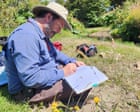 Foto: The Guardian
Archaeological site in Chile upends theory of how humans populated the Americas … again
Monte Verde, thought to be 14,500 years old, had cast doubt on earlier idea for how humans came to western hemisphereA groundbreaking new study may have once again upended our understanding of human prehistory in the Americas.For years, the predominant theory of how humans arrived in the western hemisphere centred around the Clovis culture, which crossed the Beringia land bridge from Asia between 13,400 and 12,800 years ago, and spread south. Continue reading...
Read on The Guardian →